
The Power of Random Acts of Kindness
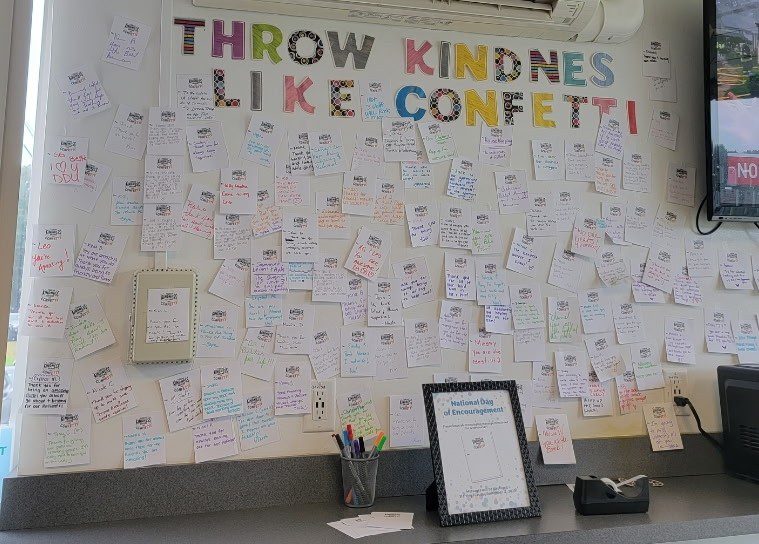
Random acts of kindness are often simple, such as holding a door, offering a smile, leaving a thoughtful note, or checking in on someone who seems to be having a hard day. While small in scale, these moments carry significant psychological and emotional benefits for both the person receiving kindness and the one offering it.
The Psychological Benefits of Kindness
Research in psychology shows that acts of kindness activate areas of the brain associated with pleasure, connection, and reward. When we perform a kind act, the body releases feel-good chemicals such as dopamine, serotonin, and oxytocin. These neurochemicals are linked to improved mood, reduced stress, and a greater sense of emotional well-being.
Kindness has also been shown to lower anxiety, decrease feelings of isolation, and foster a sense of purpose. These benefits are especially important in high-stress or emotionally demanding environments.
Creating Connection and Belonging
Kindness strengthens the connections we make with our fellow humans. Even brief interactions, such as a friendly greeting or a moment of genuine acknowledgment, can help people feel seen and valued. These moments build trust and contribute to a sense of belonging, which is essential for emotional resilience and mental health.
When kindness becomes part of daily interactions, it creates an environment where people feel safer, more supported, and more willing to engage openly with others.
The Pay It Forward Effect
One of the most powerful aspects of kindness is its tendency to multiply. When someone experiences an act of kindness, they are more likely to extend kindness to others. This pay-it-forward effect creates a ripple of positivity that spreads far beyond the original interaction.
A single thoughtful act can influence countless moments throughout the day, shaping how people respond to stress, interact with others, and approach challenges. This can be paying for someone’s coffee at the local shop, holding the door open for someone, or donating your old towels to a local animal shelter.
Kindness Toward Self
While kindness toward others is often emphasized, kindness toward oneself is just as important. Self-kindness means offering yourself the same understanding, patience, and compassion that you would offer to someone else.
Practicing self-kindness may look like setting healthy boundaries, allowing time to rest, acknowledging personal limits, or letting go of harsh self-criticism. From a psychological perspective, self-kindness is linked to lower stress levels, improved emotional regulation, and greater resilience during difficult times.
When individuals treat themselves with care, they are better equipped to show up for others. Self-kindness helps replenish emotional energy and makes compassion sustainable rather than draining.
Small Actions With Lasting Impact
Random acts of kindness do not require grand gestures. They begin with intention and awareness, choosing empathy, patience, and care in everyday moments. When practiced consistently, kindness becomes a powerful force for emotional wellness and collective positivity.
In a world that often feels rushed and demanding, kindness remains one of the simplest and most meaningful ways to create lasting change, one moment, one person, and one ripple at a time.
We invite you to perform random acts of kindness in your own life. What small acts can you perform in your own community to bring a smile to someone? Improve your overall mental health by engaging in small acts of kindness regularly.
Fuller Hospital offers care that is right for you. Learn more about our mental health care at Treatments Services.
By Nicole Cascione, CAGS, LMHC, Director of Outpatient Services, Fuller Hospital.
Nicole Cascione is a Licensed Mental Health Counselor with a Master’s in Agency Counseling and a Certificate of Advanced Graduate Studies in Clinical Mental Health Counseling. In her undergrad, she received a Bachelor of Arts in Psychology and a Bachelor of Science in Chemical Dependency and Addiction Studies.
Nicole has been part of the Fuller team since 2009, working in various capacities within multiple departments before stepping into a senior leadership role overseeing outpatient and community-based programs as the Director of Outpatient Services.
Nicole chairs the hospital service excellence committee and leads staff retention initiatives. These initiatives are part of Fuller’s mission to provide quality healthcare and facilitate a supportive working environment for all staff. Nicole is a strong advocate for patients and staff and strives to maintain a culture of positivity and appreciation within the hospital.


