Steps to Take to Heal from Grief and Loss
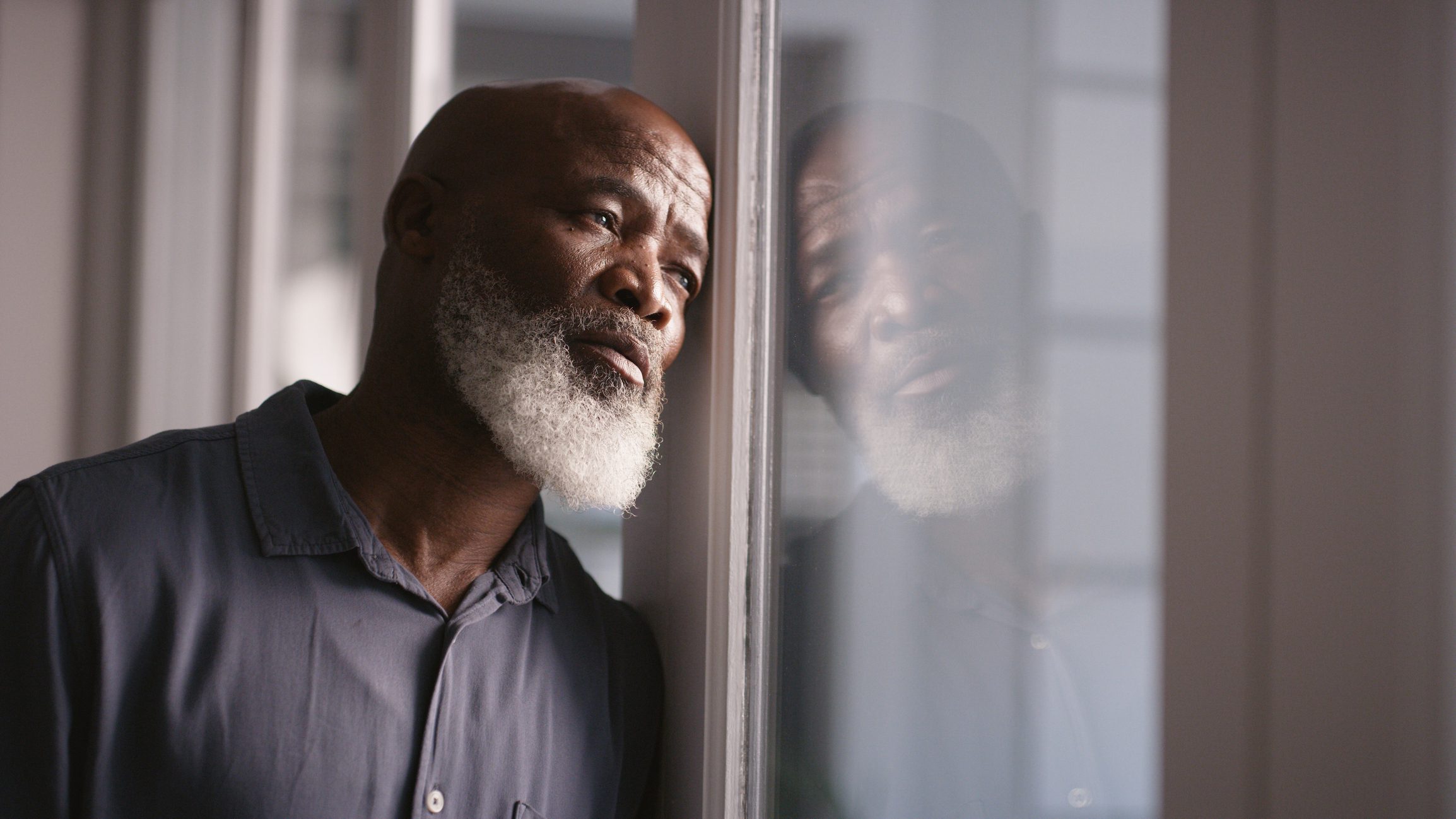
Grief is a natural response to loss, and it affects everyone differently. Understanding how to cope with grief and finding strategies that work for you can make the journey a bit easier. In this article, we’ll explore practical steps to heal from grief and loss, the role of grief therapy and coping skills you can use to navigate this challenging time.
Understanding Grief and Its Impact
Grief is a multifaceted emotional response to loss, particularly the loss of someone or something to which a bond was formed. It’s important to acknowledge that grief is not a linear process; instead, it is a cycle that can ebb and flow over time.
The stages of grief
The five stages of grief – denial, anger, bargaining, depression and acceptance – are a widely recognized model that helps us understand the emotional journey of grief. However, it’s essential to remember that not everyone experiences these stages in the same order, and some may revisit stages multiple times.
Understanding these stages can help you identify your emotions and validate your feelings, which is an important part of healing.
Coping Skills for Grief
Developing coping skills is crucial for managing grief. Here are some strategies to consider:
Seek support
Reaching out to friends, family or support groups can provide comfort and understanding. Sharing your feelings with others who have experienced similar losses can be particularly helpful.
Practice self-care
Taking care of your physical health can positively impact your mental well-being. Ensure you’re getting enough sleep, eating nutritious meals and engaging in regular physical activity.
Express your emotions
Finding an outlet for your emotions can be therapeutic. Consider journaling, drawing or engaging in creative activities that allow you to express what you’re feeling.
Set small goals
Grief can be overwhelming, so it’s essential to set small, manageable goals for yourself. Celebrate small achievements, and be patient with your progress.
Grief Therapy and Counseling
If you’re struggling with grief, seeking professional help can be beneficial. Grief therapy and counseling provide a safe space to explore your emotions and develop coping strategies.
What is grief counseling?
Grief counseling is a form of therapy that helps you to deal with the emotional and psychological aspects of grief. A grief counselor can guide you through the grieving process, helping you understand your feelings and learn coping skills.
Benefits of grief therapy
Engaging in grief therapy can offer numerous benefits, including:
- Emotional Support: A therapist provides a non-judgmental environment where you can express your feelings openly.
- Skill Development: Therapists can teach coping mechanisms tailored to your specific needs.
- Validation: Understanding that your feelings are normal and valid can be incredibly reassuring.
- Perspective: Therapy can help you gain new insights into your grief and how it affects your life.
Overcoming Grief: Steps to Take
Try following these practical steps to begin overcoming grief and loss:
Acknowledge your loss
The first step in overcoming grief is to acknowledge the reality of your loss. Allow yourself to feel the pain and sadness that comes with it.
Accept your emotions
Understand that it’s normal to experience a wide range of emotions, from anger to sadness to relief. Accepting these feelings as part of your healing journey is vital.
Create a routine
Establishing a daily routine can provide a sense of normalcy and stability. Even small routines, like a morning walk or a nightly reading session, can help ground you.
Honor your loved one
Finding ways to honor and remember your loved one can be a healing experience. This could be through creating a memorial, writing a letter or participating in activities they enjoyed.
Reach out for help
Don’t hesitate to ask for help when you need it. Whether it’s from friends, family or professionals, reaching out can provide the support you need to move forward.
Long-Term Healing and Growth
While grief may never fully disappear, it can transform into something more manageable over time. Here are some ways to promote long-term healing and personal growth:
Find new meaning and purpose
As you heal, you may find new meaning or purpose in life. This could involve pursuing new interests, building new relationships or finding ways to give back to your community.
Continue personal reflection
Regularly reflect on your journey and the progress you’ve made. Consider keeping a journal to document your thoughts and feelings as you navigate your grief.
Practice gratitude
Focusing on the positive aspects of your life can help shift your perspective. Practicing gratitude regularly can improve your mental and emotional well-being.
Stay connected
Maintain connections with loved ones and support networks. Social bonds play a crucial role in emotional health and can help you feel less isolated.
Is Your Mental Health Struggling from Grief and Loss?
Healing from grief and loss is a deeply personal journey that takes time and patience. By understanding your emotions, seeking support and developing coping skills, you can navigate this challenging process. Remember, it’s okay to seek professional help through grief therapy or counseling if you need it. Above all, be compassionate with yourself as you heal and grow.
Located in Attleboro, MA, Fuller Hospital provides mental health treatment for people just like you. Call us today at 508-761-8500 to get the help you need, today.