Understanding Postpartum Depression in Fathers
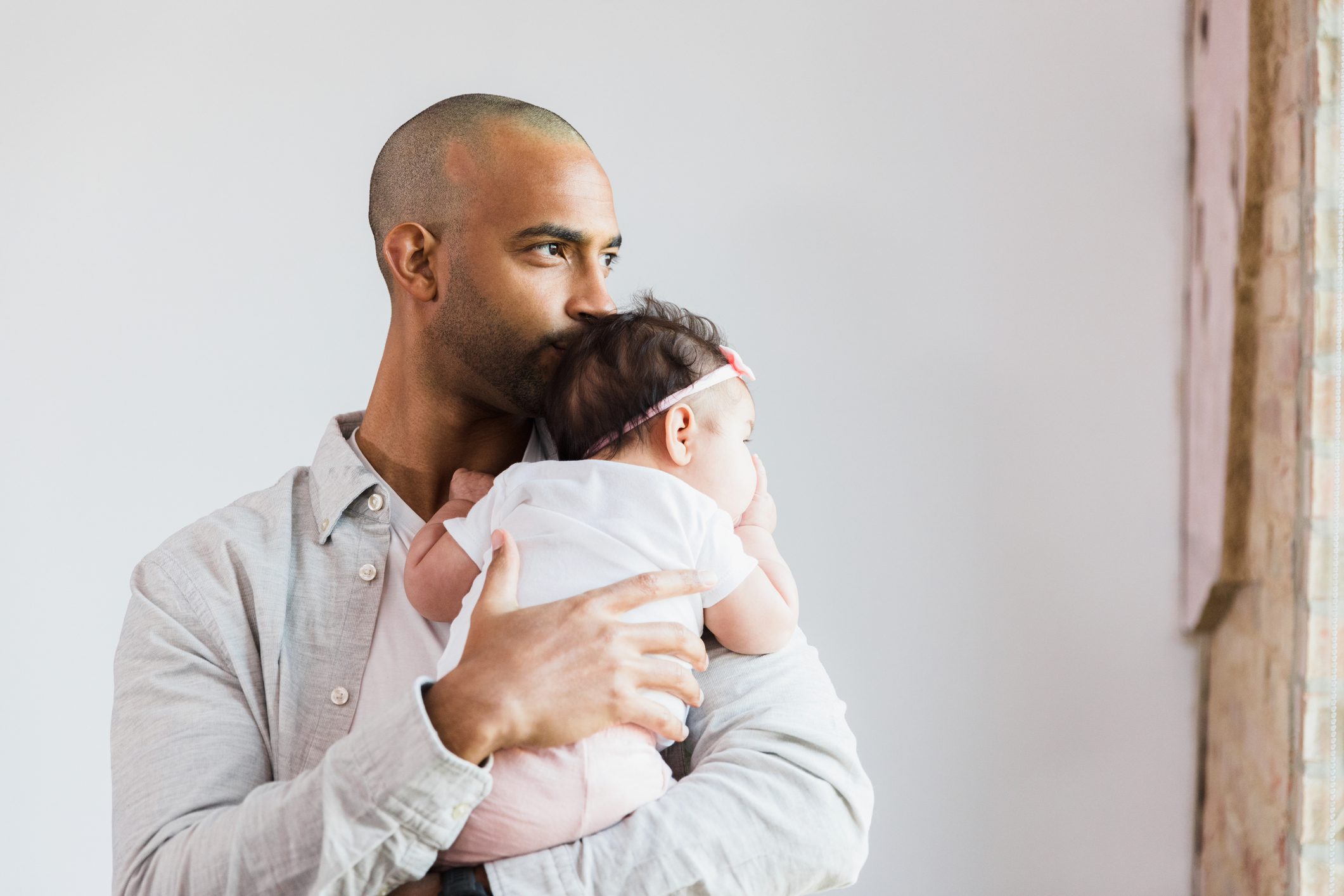
When we think of postpartum depression, images of new mothers often come to mind. However, it’s crucial to understand that fathers can also experience postpartum depression. This condition, commonly associated with women, can affect men, impacting their mental health, relationships and ability to care for their newborns.
Can Men Get Postpartum Depression?
Yes, men can and do experience postpartum depression. Acknowledging this reality is crucial for breaking the stigma associated with male depression and encouraging fathers to seek help. Understanding that postpartum depression is not a sign of weakness but a medical condition can empower fathers to take the necessary steps toward recovery.
How Common Is Postpartum Depression in Fathers?
Postpartum depression in fathers is more common than one might think. Research suggests that about 10% of new dads experience this condition, with some studies indicating even higher rates. This prevalence makes it vital to recognize and address postpartum depression in men, as it can significantly affect family dynamics and the well-being of the child.
Why Does Postpartum Depression Happen?
While hormonal changes play a significant role in postpartum depression in women, the causes in men are more complex and varied.
Several factors contribute to the onset of postpartum depression in fathers:
- Hormonal Changes: Although not as pronounced as in women, men also experience hormonal fluctuations after the birth of a child. Changes in testosterone, cortisol and estrogen levels can affect mood and emotional stability.
- Psychological Factors: The transition to fatherhood can be stressful. Men may feel overwhelmed by the new responsibilities, fear of failing as a parent or anxiety about providing for the family.
- Social Factors: Lack of support, relationship issues with the partner and the pressure to conform to societal expectations of being a “provider” can exacerbate feelings of depression.
- Sleep Deprivation: Caring for a newborn often involves disrupted sleep patterns, which can contribute to mood swings and depression.
Baby Blues vs. Postpartum Depression
It’s essential to distinguish between the “baby blues” and postpartum depression. The baby blues are a common experience among new parents, characterized by mood swings, anxiety and sadness. These feelings are usually mild and resolve within two weeks.
In contrast, postpartum depression is more severe and lasts longer. It can significantly impair a father’s ability to function and negatively affect his relationship with his partner and child. Recognizing the difference is crucial for seeking appropriate help.
Symptoms of Postpartum Depression in Fathers
Postpartum depression symptoms in men can differ from those experienced by women. It’s important to be aware of these signs:
- Emotional Symptoms: Persistent sadness, irritability, anger or frustration.
- Physical Symptoms: Fatigue, changes in appetite or sleep disturbances unrelated to caring for the baby.
- Behavioral Symptoms: Withdrawal from social activities, loss of interest in hobbies or increased use of alcohol or drugs.
- Cognitive Symptoms: Difficulty concentrating or making decisions, or feelings of hopelessness.
Recognizing these symptoms early can lead to timely intervention and support.
How Long Does Postpartum Depression Last?
The duration of postpartum depression varies. Some fathers may experience symptoms for a few months, while others could struggle for a year or more without proper intervention. Early diagnosis and treatment can significantly shorten the duration and improve outcomes.
Practical Advice for Fathers and Families
If you or someone you know is experiencing postpartum depression, here are some practical steps to consider:
- Reach Out for Support: Talk to your partner, family, or friends about your feelings. Sharing your experiences can alleviate the burden and help you feel less isolated.
- Seek Professional Help: Consulting a mental health professional is vital. Therapy, counseling or medication can be effective treatments for postpartum depression.
- Join Support Groups: Connecting with other fathers who are experiencing similar challenges can provide validation and encouragement.
- Prioritize Self-Care: Make time for activities you enjoy, get regular exercise and ensure you get adequate rest whenever possible.
- Communicate with Your Partner: Open and honest communication with your partner can strengthen your relationship and provide mutual support during this challenging time
Help Is Available at Fuller Hospital
Understanding postpartum depression in fathers is essential for the well-being of the entire family. By recognizing the symptoms, acknowledging the problem, and seeking appropriate help, fathers can overcome this condition and embrace the joys of parenthood.
Fuller Hospital, located in Attleboro, Massachusetts, is here for your mental and behavioral health needs. We provide inpatient and outpatient psychiatric services and aim to meet each person’s needs and challenges.
Learn more about how we can help by giving us a call at 508-761-8500.